


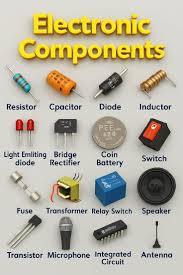
The Electronic Components Market is expanding rapidly as global industries continue to adopt advanced electronic systems and smart technologies. Electronic components form the backbone of modern devices, enabling functionality in everything from smartphones and computers to industrial automation systems and automotive electronics. As digital transformation accelerates worldwide, the demand for high-performance electronic solutions is growing across consumer electronics, telecommunications, healthcare, and industrial sectors.
Summary
The electronic components industry plays a critical role in powering modern technology. From Passive Components used in power management to advanced Semiconductor Devices used in computing systems, these elements are essential for the operation of nearly every electronic product. Continuous innovation in PCB Electronics and Industrial Electronics Parts has strengthened the reliability and efficiency of modern digital devices. The rapid expansion of smart infrastructure, IoT technology, and automation systems is also creating new opportunities for the market.
Market Drivers and Key Growth Factors
The growth of the electronic components industry is driven by several major factors that are reshaping global technology adoption.
1. Growth of Consumer Electronics
The increasing demand for smartphones, laptops, smart TVs, and wearable devices is significantly boosting the need for electronic parts. These products require various Active Components and Passive Components to function effectively.
2. Expansion of Automotive Electronics
Modern vehicles are equipped with numerous electronic systems such as navigation, safety sensors, infotainment systems, and electric vehicle components. This has increased the demand for advanced Semiconductor Devices and PCB Electronics.
3. Rise of Industrial Automation
Industries are rapidly adopting automation technologies to improve efficiency and reduce operational costs. As a result, Industrial Electronics Parts are widely used in robotics, control systems, and manufacturing equipment.
4. Rapid Growth of Smart Technologies
Smart homes, IoT devices, and connected infrastructure rely heavily on sophisticated electronic components. This growing adoption is creating new opportunities for manufacturers and technology providers.
Emerging Opportunities in the Technology Ecosystem
The development of global digital infrastructure is influencing multiple technology markets that are interconnected with the electronics sector. For instance, the Canada Account Payable Market highlights the growing adoption of digital financial automation tools, which depend heavily on advanced computing systems and reliable electronic hardware.
Similarly, the Europe Automation Testing Market is expanding as software development and quality assurance processes increasingly rely on automated testing tools and electronic hardware systems to ensure performance and reliability.
Key Industry Trends
Several emerging trends are shaping the future of the electronic components market:
Miniaturization of Electronic Devices
Manufacturers are focusing on producing smaller and more efficient components to support compact electronic devices and portable gadgets.
High-Performance Semiconductor Technologies
The demand for faster processing speeds and energy efficiency has accelerated innovation in Semiconductor Devices.
Growth in IoT Applications
Smart devices, connected homes, and industrial IoT systems are driving demand for reliable PCB Electronics and integrated electronic systems.
Sustainability and Energy Efficiency
Electronic component manufacturers are investing in energy-efficient designs and environmentally friendly production processes.
Regional Market Insights
Asia-Pacific remains one of the most significant regions for electronic component manufacturing due to its strong semiconductor production capabilities and consumer electronics industry. Countries such as China, Japan, South Korea, and Taiwan dominate the production of key electronic technologies.
North America and Europe also play crucial roles in technological innovation, research, and development. These regions continue to drive demand for advanced electronic systems used in healthcare technology, aerospace, telecommunications, and industrial automation.
Future Outlook
The future of the electronic components industry looks promising as digital technologies continue to evolve. The increasing adoption of artificial intelligence, smart devices, autonomous vehicles, and next-generation communication systems will significantly expand the need for advanced electronic hardware.
As industries move toward more connected and intelligent systems, the demand for high-quality Passive Components, Active Components, Semiconductor Devices, PCB Electronics, and Industrial Electronics Parts will continue to grow. This trend is expected to create long-term opportunities for manufacturers and technology innovators worldwide.
Electronic Components Market analysis highlighting growth trends, industry drivers, technological advancements, and future demand across consumer electronics, industrial automation, and semiconductor technologies.
FAQs
1. What are electronic components used for?
Electronic components are used to build and operate electronic circuits in devices such as computers, smartphones, vehicles, and industrial equipment.
2. What are the main types of electronic components?
The two primary categories include Passive Components such as resistors and capacitors, and Active Components such as transistors and integrated circuits.
3. Why is the demand for electronic components increasing?
The demand is growing due to the expansion of consumer electronics, electric vehicles, industrial automation, and emerging technologies like IoT and artificial intelligence.
Wired Occupancy Sensors Market
Wireless Video Surveillance Market

 English
 Arabic
 French
 Spanish
 Portuguese
 Deutsch
 Turkish
 Dutch
Dutch
 Italiano
 Romaian
 Portuguese (Brazil)
 Tiếng Việt