


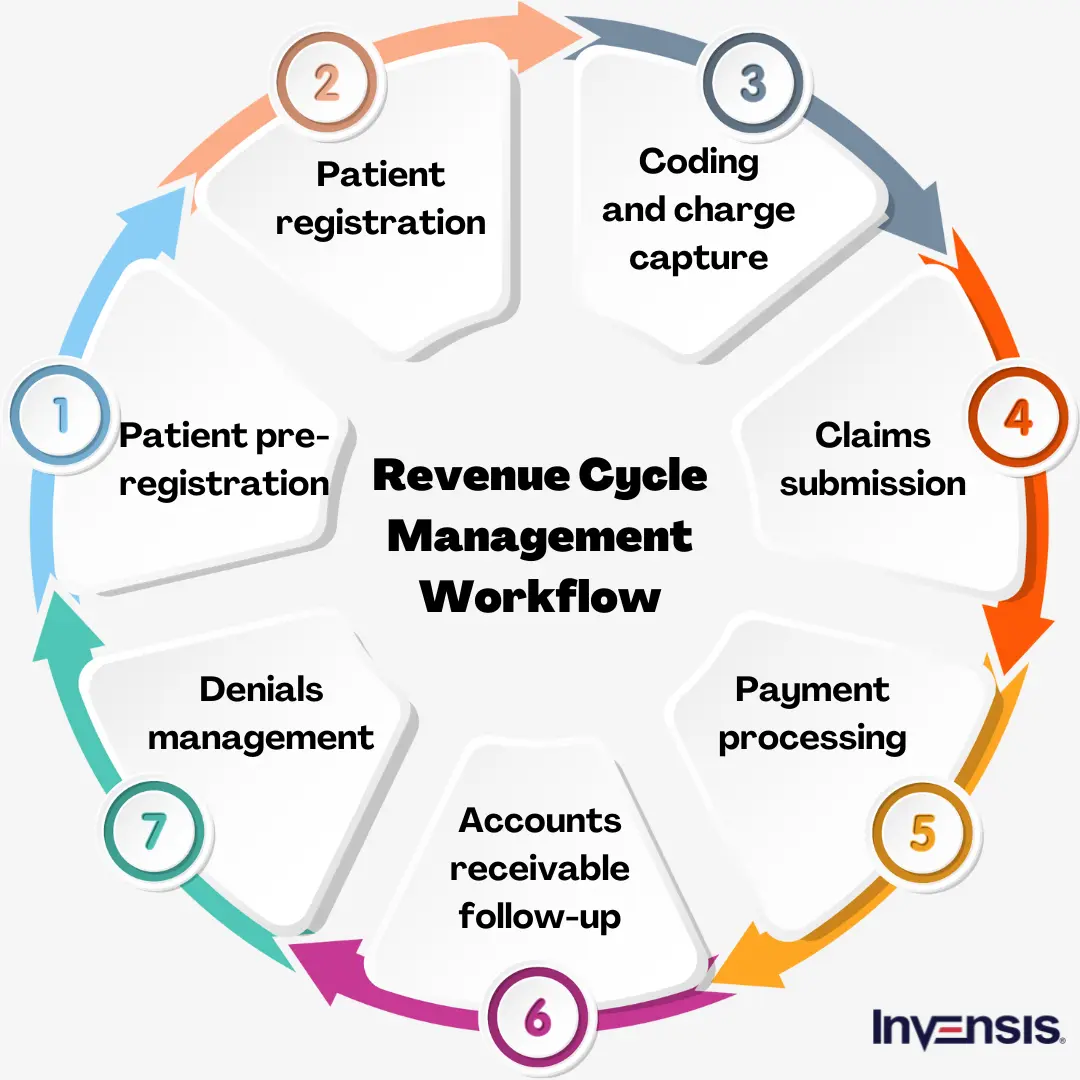
The Back End Revenue Cycle Management Market Analysis provides comprehensive examination of market dynamics, competitive factors, and growth drivers shaping industry evolution. The Back End Revenue Cycle Management Market size is projected to grow USD 103.18 Billion by 2035, exhibiting a CAGR of 10.34% during the forecast period 2025-2035. Market analysis reveals healthcare organizations facing unprecedented financial pressures requiring sophisticated revenue cycle management approaches. The complexity of healthcare reimbursement continues increasing with multiple payer types, contract variations, and regulatory requirements. Effective back end revenue cycle management directly impacts organizational financial sustainability and ability to invest in care improvement. The analysis indicates market maturation in technology solutions while service delivery models continue evolving substantially. Healthcare organizations are increasingly viewing revenue cycle management as strategic function rather than administrative necessity.
Competitive analysis reveals diverse market participation ranging from large healthcare technology conglomerates to specialized boutique providers. Major players including Optum, Change Healthcare, R1 RCM, and Conifer Health Solutions maintain significant market positions. These organizations compete through comprehensive solution portfolios, technology innovation, and operational scale advantages effectively. Specialized providers focus on specific functions or provider segments where expertise provides competitive differentiation. Health system-affiliated revenue cycle organizations sometimes compete with independent vendors creating unique market dynamics. The competitive intensity is driving continuous innovation and service quality improvements benefiting healthcare organizations substantially.
Technology analysis highlights artificial intelligence as the transformative force reshaping revenue cycle management capabilities fundamentally. Machine learning applications are improving coding accuracy, denial prediction, and payment optimization across functions. Natural language processing enables intelligent extraction of clinical information supporting accurate claim submission processes. Robotic process automation handles routine tasks including eligibility verification and claim status monitoring efficiently. Cloud platforms enable scalable deployments and rapid updates maintaining regulatory compliance continuously. The technology analysis indicates ongoing investment requirements for vendors maintaining competitive solution offerings in evolving markets.
Financial analysis examines return on investment considerations for healthcare organizations evaluating revenue cycle management solutions. Cost reduction through automation and efficiency improvement typically provides primary financial justification for investments. Revenue enhancement through improved claim accuracy, denial prevention, and collection optimization generates substantial returns. Cash flow improvement through accelerated payment collection benefits organizational financial management significantly. The analysis suggests positive return on investment for most revenue cycle management solution implementations when properly executed. Financial analysis supports continued market investment as healthcare organizations seek performance improvement opportunities.
Top Trending Reports -
Italy Web 3 0 Blockchain Market Growth

 Arabic
 French
 Spanish
 Portuguese
 Deutsch
 Turkish
 Dutch
Dutch
 Italiano
 Russian
 Romaian
 Portuguese (Brazil)
 Tiếng Việt