


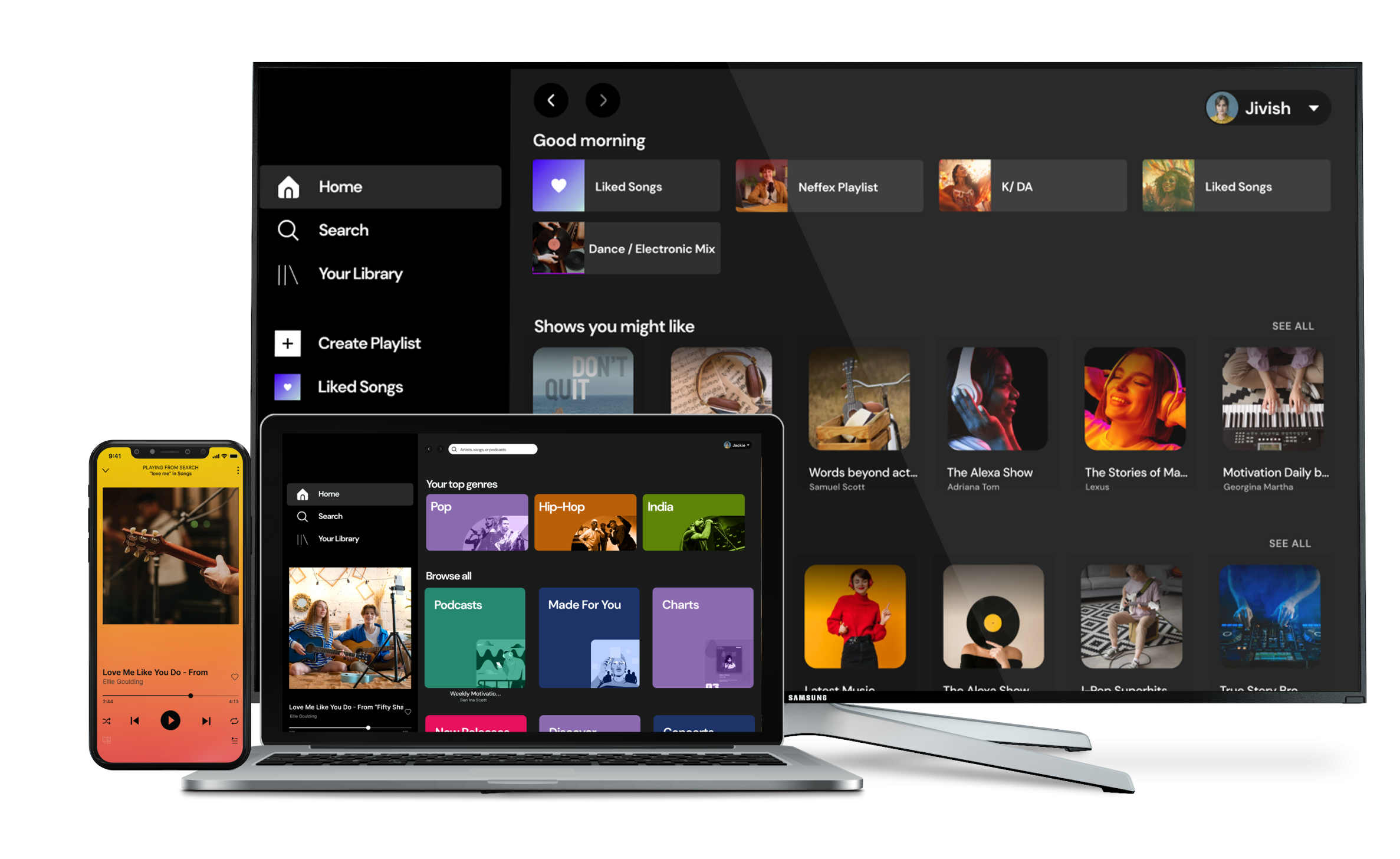
The Audio Streaming OTT Platform Market Analysis provides comprehensive examination of industry dynamics, competitive factors, and growth drivers shaping market evolution globally. The Audio Streaming OTT Platform Market size is projected to grow USD 83.2 Billion by 2035, exhibiting a CAGR of 6.57% during the forecast period 2025-2035. Market analysis reveals structural transformation in audio entertainment consumption with streaming becoming the dominant access model. The shift from ownership to access models has fundamentally changed revenue distribution across the audio content value chain. Platform economics favor scale with larger subscriber bases enabling better content licensing terms and technology investments. Network effects create competitive advantages as user-generated playlists and social features enhance platform value continuously. The analysis indicates market maturation in developed regions while emerging markets offer substantial growth opportunities.
Competitive analysis reveals differentiated strategies among major platforms competing for market leadership and subscriber attention. Spotify emphasizes podcast investment and personalization excellence as core competitive differentiators in the market. Apple Music leverages ecosystem integration and exclusive artist partnerships to compete against dedicated streaming platforms. Amazon Music benefits from Prime bundling and voice-first experiences through Alexa-enabled device proliferation. YouTube Music differentiates through video integration and massive content library including user-generated uploads extensively. Regional platforms compete through local content expertise and cultural relevance in their home markets effectively. The competitive analysis suggests market structure will remain oligopolistic with several major global players and regional specialists.
Technology analysis highlights the critical role of artificial intelligence in powering discovery and personalization features. Recommendation algorithms represent core competitive capabilities requiring continuous investment and improvement from platforms. Cloud infrastructure enables global content delivery with low latency and high reliability for streaming services. Edge computing and content delivery networks optimize streaming quality and reduce buffering across geographic regions. The analysis indicates technology investment requirements favor larger platforms with substantial resources for development. Mobile application optimization remains critical as smartphones serve as primary streaming devices for most users.
Business model analysis examines the economics of subscription and advertising revenue streams across platform types. Subscription models provide predictable revenue but require continuous value demonstration to prevent subscriber churn. Advertising models enable broader reach but generate lower per-user revenue compared to premium subscriptions typically. Hybrid models combining free advertising-supported tiers with premium options maximize total addressable market coverage. The analysis suggests successful platforms require balanced approaches serving diverse consumer preferences and willingness to pay.
Top Trending Reports -
India Self Checkout In Retail Market Growth

 Arabic
 French
 Spanish
 Portuguese
 Deutsch
 Turkish
 Dutch
Dutch
 Italiano
 Russian
 Romaian
 Portuguese (Brazil)
 Tiếng Việt