


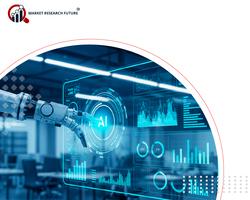
The Artificial Intelligence in Workspace Market is playing a pivotal role in improving operational efficiency, enabling organizations to optimize processes, reduce costs, and deliver higher-quality outcomes. AI technologies, including machine learning, predictive analytics, and intelligent automation, help streamline complex workflows and minimize manual intervention. By analyzing operational data, AI identifies inefficiencies, predicts potential bottlenecks, and recommends corrective measures, allowing businesses to function more effectively and respond quickly to changing market conditions.
Automation is one of the most impactful applications of AI in workspace operations. Routine tasks such as data entry, document processing, inventory management, and reporting can be handled efficiently by AI-driven systems, freeing human employees for strategic responsibilities. Intelligent automation platforms monitor workflows in real time, detect anomalies, and provide actionable insights for optimization. This reduces operational errors, accelerates task completion, and improves overall productivity. Organizations that implement AI in operations gain a competitive edge by lowering costs while maintaining high-quality standards and faster turnaround times.
Predictive analytics is a key driver of operational efficiency. AI systems analyze historical data and operational trends to forecast resource requirements, identify potential risks, and optimize schedules. In supply chain and logistics, predictive models anticipate demand fluctuations, optimize inventory levels, and reduce wastage. In IT operations, AI detects system anomalies, predicts downtime, and recommends preventive maintenance. These insights enable organizations to plan proactively, enhance operational resilience, and ensure continuity of business processes even in dynamic environments.
AI-powered analytics dashboards provide managers with real-time visibility into performance metrics, enabling informed decision-making. Customizable dashboards track key indicators, compare performance against benchmarks, and highlight areas for improvement. By visualizing data effectively, managers can take timely corrective actions and drive efficiency improvements across departments. AI also supports scenario planning, allowing organizations to simulate different operational strategies and select the most effective course of action.
The adoption of AI in hybrid and remote work environments has further enhanced operational efficiency. AI-driven collaboration tools automate communication, track task progress, and provide intelligent recommendations to employees. Virtual assistants and chatbots handle routine queries, reducing the workload of human resources and IT teams. Furthermore, AI analyzes employee performance and engagement metrics to suggest workload balancing and productivity enhancement strategies. These capabilities ensure that operations remain smooth and efficient regardless of workforce distribution.
Security and compliance are critical aspects of operational efficiency. AI systems continuously monitor activities, detect unusual patterns, and enforce access control policies, reducing the risk of security breaches. In regulated industries, AI ensures that workflows adhere to compliance standards, automating audits and reporting processes. By combining operational efficiency with robust security, AI helps organizations maintain high performance while mitigating risks.
As the Artificial Intelligence in Workspace Market continues to expand, organizations are increasingly leveraging AI for smarter operations. Future advancements in generative AI, autonomous systems, and advanced analytics will further enhance operational efficiency, enabling organizations to operate more flexibly, respond faster to challenges, and optimize resource allocation. Businesses that integrate AI strategically into their workflows will achieve cost savings, productivity gains, and a sustainable competitive advantage in the evolving digital workspace

 English
 Arabic
 French
 Spanish
 Portuguese
 Turkish
 Dutch
Dutch
 Italiano
 Russian
 Romaian
 Portuguese (Brazil)
 Tiếng Việt