
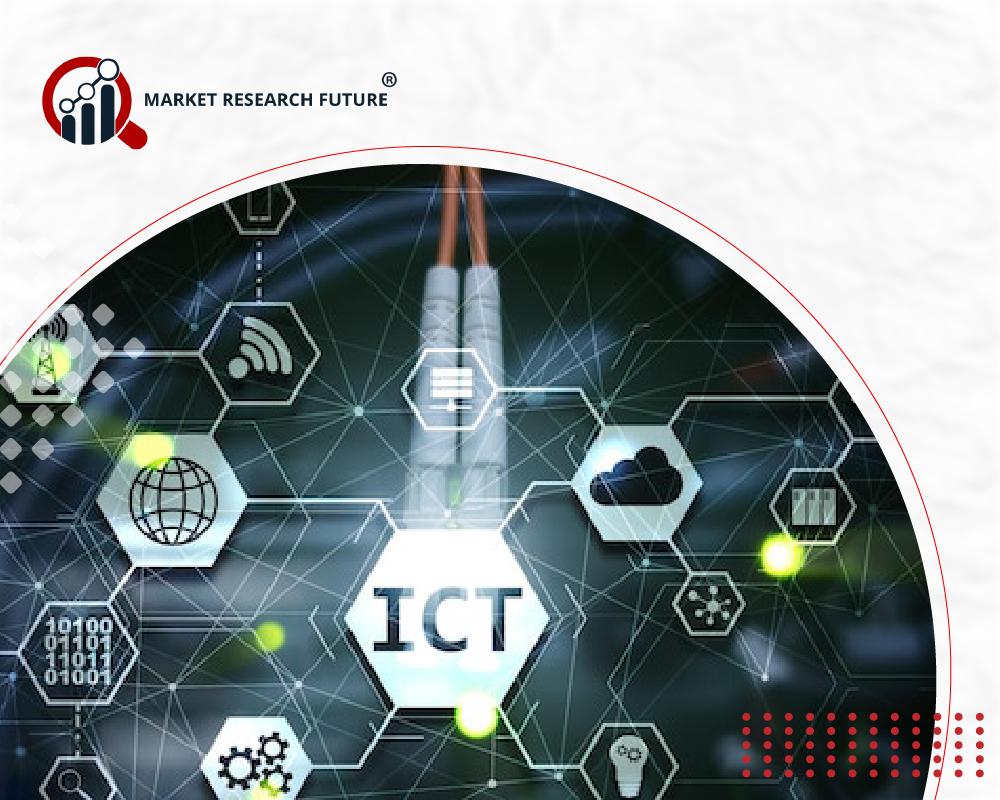
To understand the digital transformation of Cambodia, one must look at the foundational systems that make it possible. The term "platform" in the context of the Cambodia ICT Market Platform refers to a multi-layered infrastructure, encompassing everything from the physical telecommunications network to the digital financial rails and software ecosystems that are built upon it. The most fundamental of these is the telecommunications platform. This is the physical and digital backbone that provides connectivity to the nation. It consists of a growing network of fiber optic cables that provide high-speed internet backbone services, an increasing number of submarine cable connections linking Cambodia to the global internet, and, most importantly, the extensive mobile network infrastructure of cell towers and base stations that provide 4G and nascent 5G coverage. This platform is managed and operated by the major telecommunication companies (the "telcos"), under the regulation of the Telecommunication Regulator of Cambodia (TRC). The fierce competition among these telcos to provide affordable and widespread mobile data has been the single most important factor in creating a platform upon which a vibrant digital economy can be built. This mobile-first infrastructure is the bedrock of Cambodia's entire ICT ecosystem.
Built upon this connectivity layer is the crucial digital payments platform, which has become a key enabler of modern commerce in the Kingdom. This platform is a dynamic mix of private sector innovation and central bank leadership. On the private side, the platform is dominated by mobile money and e-wallet providers like Wing, Pi Pay, and TrueMoney. These companies have built vast agent networks and user-friendly mobile apps that allow millions of Cambodians, including many who are unbanked, to make digital payments, transfer money, and pay bills using their phones. This has been complemented by the rapid digitalization of the formal banking sector, with banks like ABA Bank and Acleda Bank launching highly sophisticated mobile banking apps. The true masterstroke of this platform, however, is the "Project Bakong" system, launched by the National Bank of Cambodia. Bakong is a blockchain-based, centralized payment system that connects all the different e-wallet providers and banks, allowing for seamless, real-time interoperability. A user of one e-wallet can now instantly send money to a user of any other e-wallet or bank account, creating a unified and highly efficient national payment platform that is accelerating the country's transition to a cashless society.
The third architectural layer is the emerging software and cloud platform ecosystem that is empowering Cambodian businesses to digitize their operations. This layer is still developing but is growing rapidly. At the foundational level, businesses are increasingly adopting cloud infrastructure platforms from global giants like Amazon Web Services (AWS), Microsoft Azure, and Google Cloud. This allows them to access scalable computing power and storage without the need for large upfront investments in their own physical servers. On top of this infrastructure, businesses are using a variety of software platforms. For e-commerce, this includes using global platforms like Shopify or working with local developers to build custom online stores. For internal operations, larger enterprises are implementing globally recognized Enterprise Resource Planning (ERP) and Customer Relationship Management (CRM) platforms from vendors like SAP and Microsoft Dynamics. This adoption is often facilitated by a growing number of local and regional IT system integrators, who provide the crucial services needed to implement, customize, and maintain these complex software platforms, acting as a bridge between global technology and local business needs.
Finally, the entire ICT ecosystem is influenced and shaped by a set of overarching social and commercial platforms. These are the dominant digital spaces where most Cambodians spend their online time and where much of modern commerce and communication takes place. Facebook and its associated messaging apps (Messenger, WhatsApp) are, by far, the most dominant platform in the country. For many Cambodians, Facebook is the internet. It is not just a social network; it is the primary channel for news, communication, and, most importantly, "social commerce." A huge amount of e-commerce activity takes place informally through Facebook pages and Messenger chats. This is complemented by the rise of super apps and specialized platforms. Grab has become the go-to platform for ride-hailing and food delivery in urban centers, creating a massive digital platform for the gig economy. The growing popularity of TikTok is creating a new platform for entertainment and influencer marketing. Understanding the dominance and specific usage patterns of these major social and commercial platforms is essential for any business looking to operate successfully in the Cambodian digital landscape.
Top Trending Reports:

 English
 Arabic
 French
 Spanish
 Portuguese
 Deutsch
 Turkish
 Italiano
 Russian
 Romaian
 Portuguese (Brazil)
 Tiếng Việt