


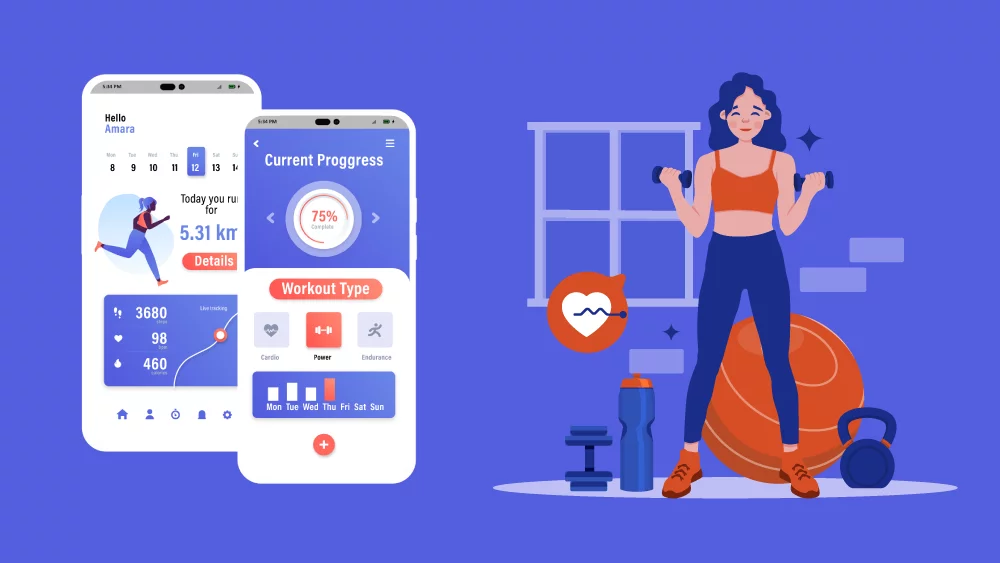
The Fitness App Industry is evolving from simple workout trackers into comprehensive wellness platforms with coaching, analytics, and community engagement. As consumers rely more on apps for health behaviors, expectations for quality, safety, and credibility are rising. Industry players include consumer app brands, wearable ecosystems, streaming fitness platforms, niche training apps, and corporate wellness providers. The industry is increasingly shaped by subscription economics, where retention and long-term engagement determine profitability. This drives investment in onboarding, personalization, and habit design. The industry also faces scrutiny around privacy because fitness apps collect sensitive health data, including heart rate, sleep, and location. Strong data governance, clear consent, and secure storage are becoming baseline requirements. Another industry shift is toward evidence-based programming, with more attention to progressive overload, recovery, and injury prevention. As a result, the fitness app industry is professionalizing, blending product design with credible coaching and responsible data practices.
Industry dynamics emphasize integration with devices and health ecosystems. Wearables, smart scales, and heart-rate monitors generate continuous data that apps use to personalize recommendations. Partnerships with device makers can drive growth through bundling and pre-installation. Content production remains central; apps compete on the quality and variety of workouts, coaching voices, and program structures. Community features are also important, but require moderation to prevent harmful behaviors. Corporate wellness is an expanding industry segment, with employers offering fitness apps to improve engagement and well-being. This segment requires privacy protections so employees feel safe participating. The industry is also experimenting with AI coaching and personalization, but must manage trust and safety. In some cases, apps are moving toward clinical-adjacent programs for stress, metabolic health, or rehab-style guidance, which increases the need for evidence and compliance. This creates a bifurcation: entertainment-style fitness content versus outcome-driven wellness programs with stronger standards.
Challenges for the industry include churn, differentiation, and ethical design. Many users stop using apps quickly, making retention the hardest problem. Too much complexity can overwhelm beginners, while too little depth can bore advanced users. Pricing pressure is significant because many apps compete on similar features. Another challenge is health misinformation and unsafe programming; apps must avoid extreme advice and provide clear modifications. Data privacy incidents can quickly damage reputation and lead to regulatory scrutiny. The industry must also address inclusivity, ensuring programs work for different body types, abilities, and access to equipment. Competition from free content on social media adds pressure to deliver superior structure, personalization, and accountability. Therefore, the industry increasingly invests in coaching credibility, habit design, and community support. Vendors that demonstrate measurable outcomes and build trust through transparent policies can sustain growth more effectively than those relying on novelty.
Industry outlook suggests continued growth alongside greater accountability. Wearable adoption will expand, enabling richer personalization and more meaningful insights. AI may improve adaptive training and user support, but responsible governance will be required. Corporate wellness and healthcare partnerships may increase, pushing vendors toward stronger privacy, security, and evidence standards. Cross-platform experiences—mobile, TV, wearables—will remain important for convenience. The industry will likely reward apps that help users sustain habits long term, not just start strong. Programs that emphasize safety, recovery, and realistic progression can reduce injury and increase retention. Ultimately, the fitness app industry is becoming a key layer of consumer wellness infrastructure. Providers that combine credible coaching, strong UX, and trustworthy data practices will define the next phase of industry maturity and growth.

 English
 Arabic
 French
 Spanish
 Portuguese
 Deutsch
 Dutch
Dutch
 Italiano
 Russian
 Romaian
 Portuguese (Brazil)
 Tiếng Việt